

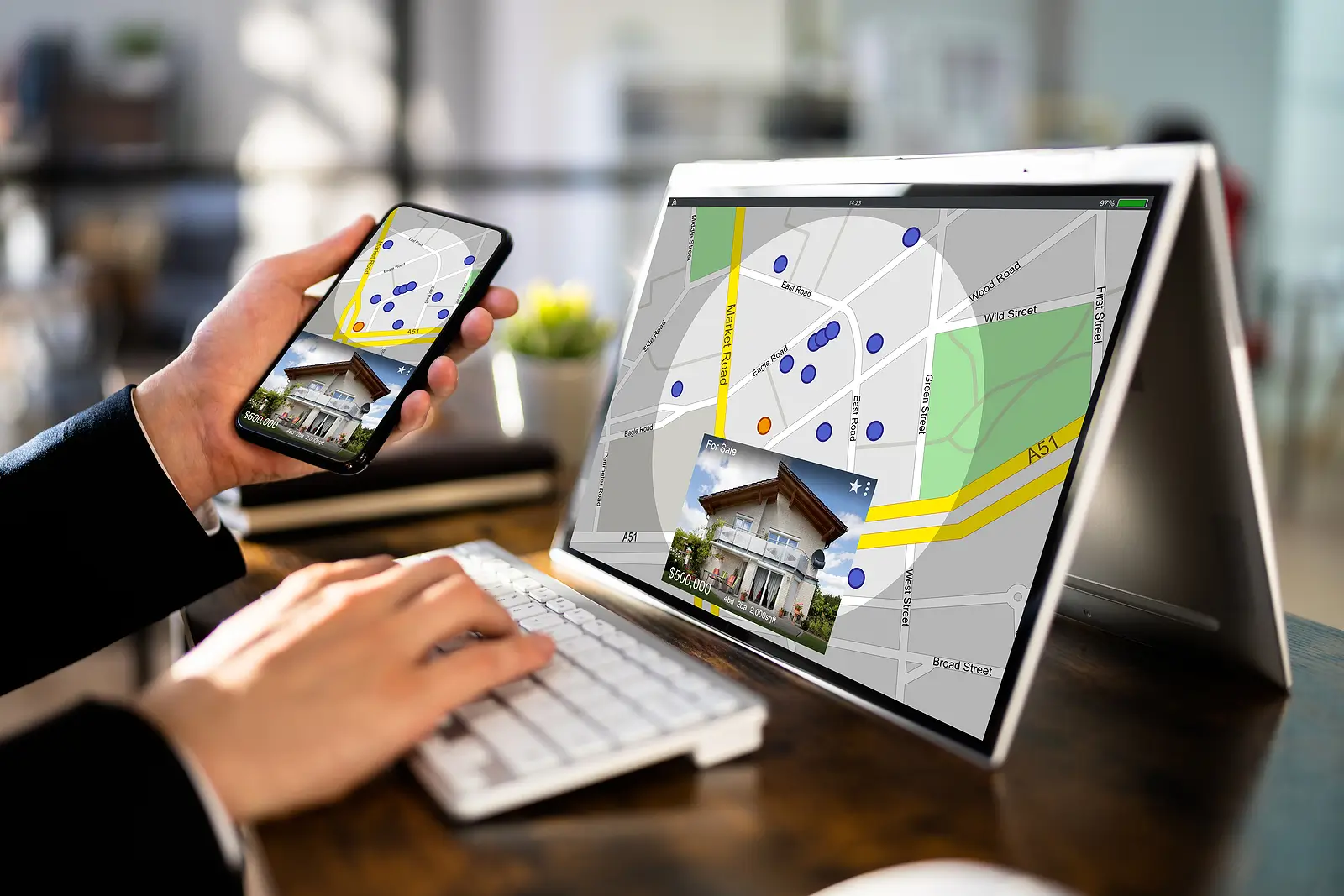
In today’s digital-first property management landscape, online portals have become essential tools for landlords. From collecting rent payments and processing maintenance requests to storing sensitive lease documents, these platforms simplify operations—but they also introduce serious risks.
Cybercriminals increasingly target property owners and managers because tenant portals contain valuable personal and financial data. For landlords in Merced, CA, where small-to-mid-sized property portfolios are common, a single breach can be financially devastating and legally complicated.
At Chosen Property Management, we understand that protecting tenant data isn’t just a tech issue—it’s a trust issue. This guide breaks down what landlords need to know about cybersecurity for landlords, how to secure online portals, and how to stay compliant while safeguarding tenant information.
Key Takeaways
Tenant portals store highly sensitive data that hackers actively target
Weak passwords and outdated software are the most common entry points for breaches
Cybersecurity compliance is becoming a legal requirement, not just a best practice
Secure portals build tenant trust and protect your reputation
Partnering with a professional property manager reduces cybersecurity risks
Understanding the Cybersecurity Risks Facing Landlords
Landlords often underestimate their exposure to cyber threats. Even owning a single rental property can make you a target if you collect rent online or store tenant information digitally.
Common Cybersecurity Threats in Property Management
Phishing attacks: Fake emails trick landlords or tenants into revealing login credentials
Ransomware: Hackers lock access to your systems until a ransom is paid
Data breaches: Unauthorized access to tenant Social Security numbers, bank details, or IDs
Malware: Malicious software introduced through unsecured devices or downloads
These risks are amplified when landlords rely on outdated systems or free tools without proper security infrastructure.
What Kind of Tenant Data Are You Responsible For?
If you use online portals, you’re likely storing or transmitting:
Full names and contact information
Social Security numbers and government IDs
Bank account and credit card details
Lease agreements and legal documents
Employment and income verification
Under California privacy laws, landlords are responsible for protecting tenant data—even if a third-party portal is involved.
Why Online Portals Are Both a Convenience and a Risk
Online portals are now expected by tenants, especially younger renters and professionals. However, not all portals are created equal.
Benefits of Online Portals
Faster rent collection
Streamlined communication
Digital recordkeeping
Improved tenant satisfaction
Cybersecurity Risks of Poorly Secured Portals
Weak or reused passwords
No multi-factor authentication (MFA)
Unencrypted data storage
Lack of regular security updates
Choosing the wrong platform—or mismanaging a good one—can expose landlords to serious vulnerabilities.
Cybersecurity Best Practices for Landlords
Here’s how landlords in Merced can take proactive steps to secure tenant data and reduce cyber risk.
1. Use Strong Authentication Measures
Require strong, unique passwords
Enable multi-factor authentication (MFA) on all portals
Avoid sharing login credentials
2. Choose Secure Property Management Software
Look for platforms that offer:
End-to-end encryption
Regular security updates
Role-based access controls
Secure cloud storage
Professional property managers like Chosen Property Management vet and maintain these systems on your behalf.
3. Keep Software and Devices Updated
Outdated systems are one of the most common causes of data breaches. Always:
Install software updates promptly
Use updated browsers and operating systems
Secure mobile devices used for property management
4. Educate Yourself and Your Tenants
Many breaches start with phishing emails. Educate tenants to:
Avoid clicking suspicious links
Verify portal URLs
Report unusual activity immediately
5. Back Up Your Data Securely
Regular backups ensure you can recover quickly from ransomware or system failures. Backups should be:
Encrypted
Stored off-site or in secure cloud environments
Tested regularly
Legal and Compliance Considerations in California
California has some of the strictest data privacy laws in the country, including the California Consumer Privacy Act (CCPA).
Landlords may be required to:
Notify tenants of data breaches
Maintain reasonable security procedures
Limit access to sensitive information
Failure to comply can result in fines, lawsuits, and reputational damage.
Signs Your Tenant Portal May Be at Risk
Even landlords who use online portals can unknowingly operate with security gaps. Cyber threats aren’t always obvious, and many data breaches go undetected for weeks or even months. Knowing the warning signs can help landlords act early and avoid costly consequences.
Red Flags Landlords Should Never Ignore
Unusual login alerts or failed login attempts on your portal
Tenants reporting suspicious emails that appear to come from your system
Slow system performance or unexpected pop-ups, which may indicate malware
Unauthorized changes to tenant contact details or payment information
Outdated portal features, such as lack of multi-factor authentication or encryption
If any of these issues appear, it’s critical to act immediately by resetting credentials, contacting your software provider, and notifying affected tenants if necessary.
Why Early Detection Matters
The faster a vulnerability is addressed, the less damage it can cause. For landlords in Merced, CA, even a small breach can lead to:
Legal exposure under California privacy laws
Loss of tenant trust
Financial losses from fraud or downtime
This is one reason many landlords choose to work with Chosen Property Management—our systems are continuously monitored, updated, and managed to reduce risk before problems escalate.
How Professional Property Management Enhances Cybersecurity
Many landlords don’t realize how much risk they carry until something goes wrong. Working with a professional property management company offers built-in protection.
How Chosen Property Management Helps
Uses secure, industry-grade tenant portals
Implements cybersecurity best practices by default
Limits data access to authorized personnel
Stays updated on evolving cyber threats and regulations
For landlords in Merced, CA, outsourcing property management isn’t just about convenience—it’s about risk mitigation.
FAQs: Cybersecurity for Landlords
1. Are landlords legally responsible for tenant data breaches?
Yes. Even if you use third-party software, landlords may still be held responsible for failing to take reasonable steps to protect tenant data.
2. Is using online portals safe for small landlords?
It can be—if the portal uses encryption, MFA, and regular security updates. Free or outdated tools often lack adequate protection.
3. What’s the safest way to collect rent online?
Using a secure, reputable property management platform with encrypted payment processing is the safest option.
Protecting Tenant Data Is Protecting Your Investment
Cybersecurity is no longer optional for landlords. As online portals become standard, so do the risks that come with them. Protecting tenant data safeguards your finances, your reputation, and your legal standing.
At Chosen Property Management, we help landlords in Merced, CA, navigate modern property management with confidence—combining cutting-edge technology with proven security practices.
Ready to protect your properties and your tenants? Contact us today to learn how our professional property management services can help you stay secure, compliant, and stress-free.